Green Initiatives: How E-Waste Recycling Services Are Protecting Our Planet
E-waste poses significant threats to the environment, as disposed electronics frequently harbor hazardous substances. Such dangerous compounds can pollute soil and water supplies, resulting in widespread environmental harm. E-waste recycling initiatives provide a practical answer. They not only recover valuable resources but also mitigate pollution. Understanding how these services operate and their impact on communities is essential. Pursuing efficient e-waste management brings forth pressing questions regarding individual duties and shared responsibility. What actions should be considered going forward?
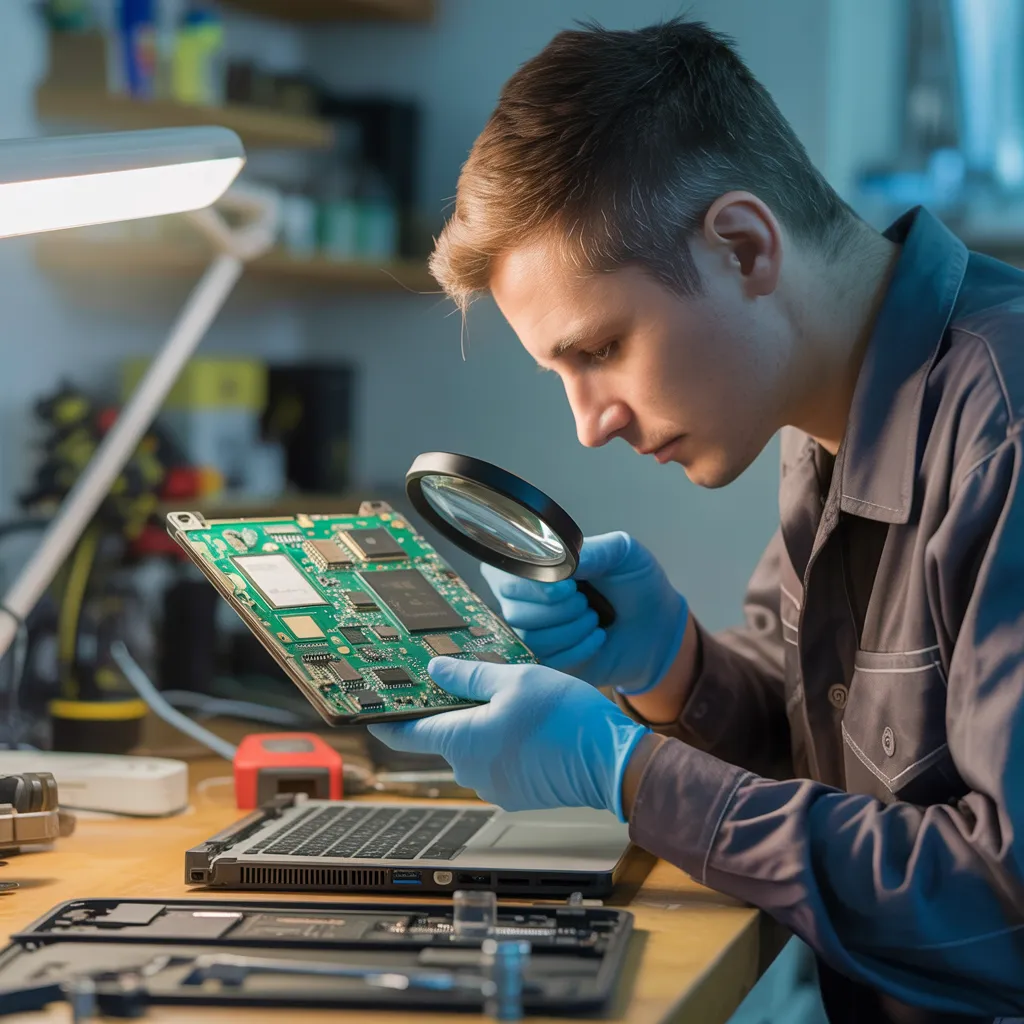
The Reasons E-Waste Is Damaging to the Planet
While technology enhances our daily lives, e-waste poses serious threats to the environment. Abandoned electronic gadgets, commonly laden with hazardous materials such as mercury, lead, and cadmium, may release harmful substances into the surrounding soil and water supply, posing risks to human health and ecosystems. The swift progression of technology contributes to greater consumer replacement of electronic devices, exacerbating the accumulation of electronic waste.
Landfills, already burdened with waste, struggle to accommodate the growing volumes of discarded gadgets. Incineration, another disposal method, releases harmful pollutants into the atmosphere, contributing to air quality degradation. In addition, improper recycling practices can lead to the exportation of e-waste to developing countries, where laborers may dismantle devices without adequate safety measures, exposing themselves to dangerous substances. This ongoing cycle of carelessness and inadequate management emphasizes the pressing necessity for responsible recycling initiatives that can lessen the harmful consequences of e-waste on our world.
What Is E-Waste and Why Does It Matter?
E-waste, also referred to as electronic waste, encompasses obsolete electronic products like televisions, computers, and smartphones that have exceeded their operational lifespan. This growing category of waste is significant due to its rapid accumulation, fueled by innovation in technology and shifting consumer habits. With an increasing number of devices reaching obsolescence, the ecological consequences become more pronounced, with harmful substances like lead, mercury, and cadmium threatening both ecosystems and public health.
The significance of tackling e-waste extends beyond minimizing these risks to recognizing the valuable resources it holds. Valuable metals and rare earth materials can be extracted and repurposed, lessening the demand for mining and preserving natural resources. Through a deeper awareness of e-waste and its consequences, both individuals and organizations can make well-informed choices regarding disposal and recycling, thereby supporting a more sustainable future. Proper management of e-waste is essential for fostering a circular economy and promoting environmental stewardship.
The Way E-Waste Recycling Functions
E-waste recycling entails a systematic process aimed at reclaiming useful resources while limiting ecological damage. At the outset, discarded electronics are retrieved and sent to specialized recycling facilities. Upon arrival, the electronics are carefully categorized to separate hazardous components from recyclable materials.
Following this, workers take apart the devices, separating plastics, metals, and glass. This phase is essential, as it allows for the recovery of high-value metals like copper, gold, and silver, which may be utilized in new electronic devices.
Following this, the separated materials are refined with sophisticated techniques, such as mechanical shredding and chemical processing, to prepare them for further use.
Ultimately, the remaining hazardous materials are disposed of responsibly, adhering to environmental guidelines. This comprehensive process not only saves important resources but also mitigates the risks associated with unsafe e-waste handling, guaranteeing a greener future for electronic device usage.
Benefits of E-Waste Recycling for You and Your Community
While many individuals may not realize it, the positive effects of e-waste recycling reach well past personal use to meaningfully influence entire communities. By carefully processing electronic waste, individuals help foster a cleaner environment, reducing harmful substances that can leach into soil and water. This responsible method actively safeguards local ecosystems and promotes public health.
In addition, the recycling of e-waste encourages the creation of jobs in communities. Regional recycling centers frequently need staff for diverse activities, covering everything from collection to processing, consequently creating meaningful employment for community members. This not only boosts the local economy but also promotes community participation in sustainable initiatives.
Moreover, familiarity with e-waste recycling can lead to learning opportunities, equipping residents to adopt eco-friendly choices. By engaging with e-waste recycling programs, individuals nurture a culture of sustainability, encouraging others to do the same. All things considered, the combined impact of these actions can create a more sustainable and conscientious community.
How to Select an E-Waste Recycling Service
Picking the right e-waste disposal service is vital for making sure that electronic refuse is managed in a responsible and sustainable manner. Initially, individuals should verify the service's accreditations, such as R2 or e-Stewards, which demonstrate adherence to established benchmarks for responsible recycling methods. It is equally important to examine the company's reputation by reading customer reviews and seeking recommendations from trusted sources.
Furthermore, clarity in the recycling process is essential. A dependable service should supply straightforward details about how e-waste is processed and what happens to the materials. Furthermore, assessing the variety of services available can be advantageous; some companies may provide pickup services or offer incentives for recycling.
In addition, learning about local guidelines related to e-waste disposal can further guide the choice of disposal method. By prioritizing these factors, consumers can play a role in efficient electronic waste handling as well as promoting eco-friendly habits.
How You Can Get Involved in E-Waste Recycling?
Engaging in e-waste recycling often starts at the local level, where recycling centers frequently offer essential services for responsible disposal. Additionally, participating in community awareness campaigns can enhance efforts to inform others regarding the importance of proper e-waste handling. These initiatives not only promote sustainability but also cultivate a collective sense of responsibility toward the environment.
Area Recycling Stations
Many local recycling centers fulfill a critical purpose in electronic waste recycling, giving communities practical solutions to manage electronic waste appropriately. These hubs welcome a variety of electronic equipment, including old computers, smartphones, and televisions, ensuring that harmful materials are handled safely. Many hubs feature experienced team members who can guide individuals on proper disposal methods, highlighting the value of recycling rather than landfilling. Moreover, many centers offer organized drop-off opportunities or appointed collection periods, making it easy for residents to participate. By taking advantage of these neighborhood resources, community members advance a circular economy, minimizing ecological impact and fostering sustainable behaviors. Connecting with these stations enables communities to combat e-waste pollution successfully.
Community Education Campaigns
Local organizations, schools, and businesses can collaborate to host events that promote e-waste collection drives. Dedicated participants can take a leading part in spreading awareness, distributing educational materials, and engaging with the community. As a result of these combined actions, community members grow more knowledgeable and inspired to dispose of their electronics responsibly, ultimately contributing to a more sustainable future.
Questions We Often Receive
What Electronic Devices Are Eligible for Recycling?
Numerous electronics may be View more recycled, including smartphones, computers, laptops, televisions, printers, and gaming consoles. Furthermore, ancillary devices such as batteries, keyboards, and mice are also suitable for recycling, supporting eco-friendly conservation initiatives.
Are There Any Costs Associated With E-Waste Recycling?
That's correct, electronic waste recycling can include costs, based on the service provider. Some service centers charge fees for pickup or handling, while some providers make services available at no charge, frequently supported by the sale of reclaimed components.
How Can Businesses Benefit From E-Waste Recycling?
Organizations can gain from e-waste recycling by minimizing disposal costs, improving their green reputation, meeting compliance standards, reclaiming useful materials, and possibly earning income through resale, thereby fostering a more environmentally responsible business approach.
What Happens to Data on Recycled Devices?
Details on refurbished equipment is frequently completely removed or destroyed during the refurbishment process. This guarantees sensitive information stays protected, preventing unauthorized access while permitting materials to be recycled carefully and ethically within new applications.
Are Broken Electronics Eligible for Recycling?
Yes, defective electronics may be recycled. Numerous centers accept damaged devices, guaranteeing proper disposal and retrieval of recoverable materials. Doing so helps reduce harm to the environment while promoting responsible recycling practices to manage electrical waste responsibly.
Comments on “Why Electronics Recycling Helps Reduce Environmental Impact”